
The first cold morning in Salt Lake City is a bad time to discover that your furnace can’t keep up. It may have run perfectly last spring, but months of sitting idle won’t reveal a loose vent connection, a worn igniter, or a clogged filter. So, how often does furnace maintenance need to happen? For most homes, the answer is once a year, ideally in late summer or early fall before the heating season begins. Follow your manufacturer’s instructions if they require more frequent service.
At SameDay Heating & Air, Plumbing, and Electrical, we help Wasatch Front homeowners prepare their heating systems before winter puts them to work. Here’s when to schedule service, what changes that schedule, what a technician checks, and when an ordinary tune-up isn’t enough.
Key Takeaways
- Schedule a professional furnace tune-up annually, preferably before the first sustained cold spell.
- Check your air filter monthly during heavy use; replace or clean it as the filter and equipment instructions require.
- Age, dust, heavy operation, and repeated faults can justify an earlier inspection, even after an annual visit.
- A tune-up examines safety and performance; it doesn’t automatically include repairs or replacement parts.
- Ask for the complete service scope, price, and written findings before approving additional work.
How Often Should You Schedule Furnace Maintenance?
Once a year is the usual maintenance schedule for residential furnaces. A qualified technician can assess the heating system’s condition, check safety controls, and spot problems that aren’t obvious while the furnace is running. A yearly appointment is a baseline, not permission to ignore new symptoms between visits.
The CPSC’s carbon monoxide safety guidance recommends annual professional inspection of fuel-burning heating equipment, including associated vents and flues. Your furnace manufacturer may specify additional maintenance steps or more frequent service; follow those instructions alongside the annual safety inspection and retain records required by your warranty.
Why Late Summer and Early Fall Work Best in Salt Lake City
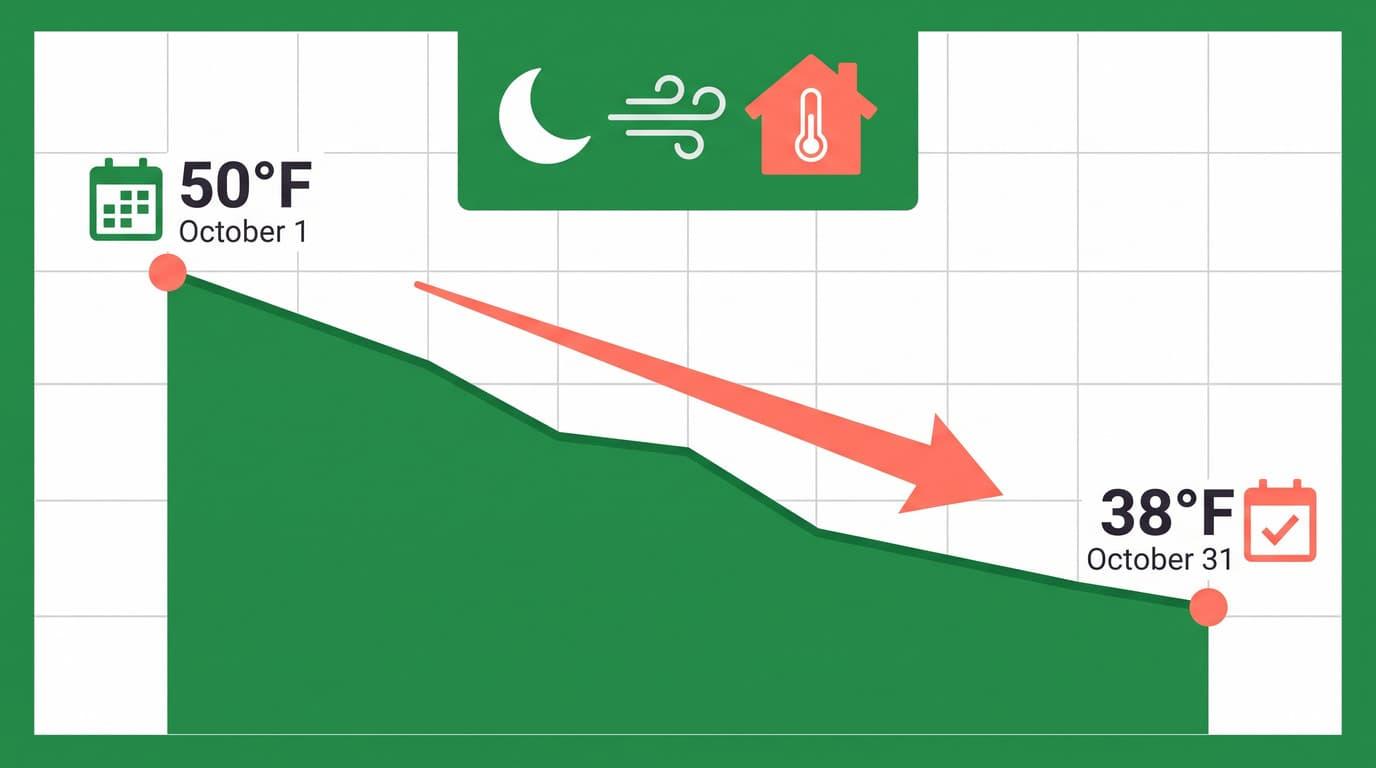
Aim for September or early October if appointments are available. As autumn progresses, the Wasatch Front shifts from mild days to freezing nights, increasing the need for dependable heat. Scheduling ahead gives you time to inspect worn components and order parts before you need steady heat every night.
Salt Lake City’s National Weather Service climate records show the normal overnight low falling from 50°F on October 1 to 38°F on October 31. Those cooler nights are a useful reminder to book before you need steady heating. A late appointment is still better than skipping maintenance entirely, especially if the furnace has been operating normally.
What Changes Your Furnace Maintenance Schedule?
Not every household puts the same demands on its equipment. Use the following factors to decide whether to call sooner than your next annual appointment.
| Situation | What to do |
|---|---|
| Newer furnace with no symptoms | Follow the manufacturer’s annual or model-specific schedule; keep service records. |
| Older furnace or repeated prior repairs | Keep the annual visit and request an earlier diagnostic appointment if performance changes. |
| Pets, remodeling dust, or heavy furnace use | Check filters more frequently; ask whether additional cleaning is warranted. |
| Recurring short cycling or uneven heat | Arrange diagnosis now rather than waiting for a routine tune-up. |
| Warranty with specified maintenance terms | Follow the written requirements and retain invoices and inspection reports. |
The annual tune-up remains your baseline. If the furnace starts acting differently between visits, book a diagnostic appointment instead of waiting for the next scheduled maintenance date.
What Happens During Professional Furnace Maintenance?
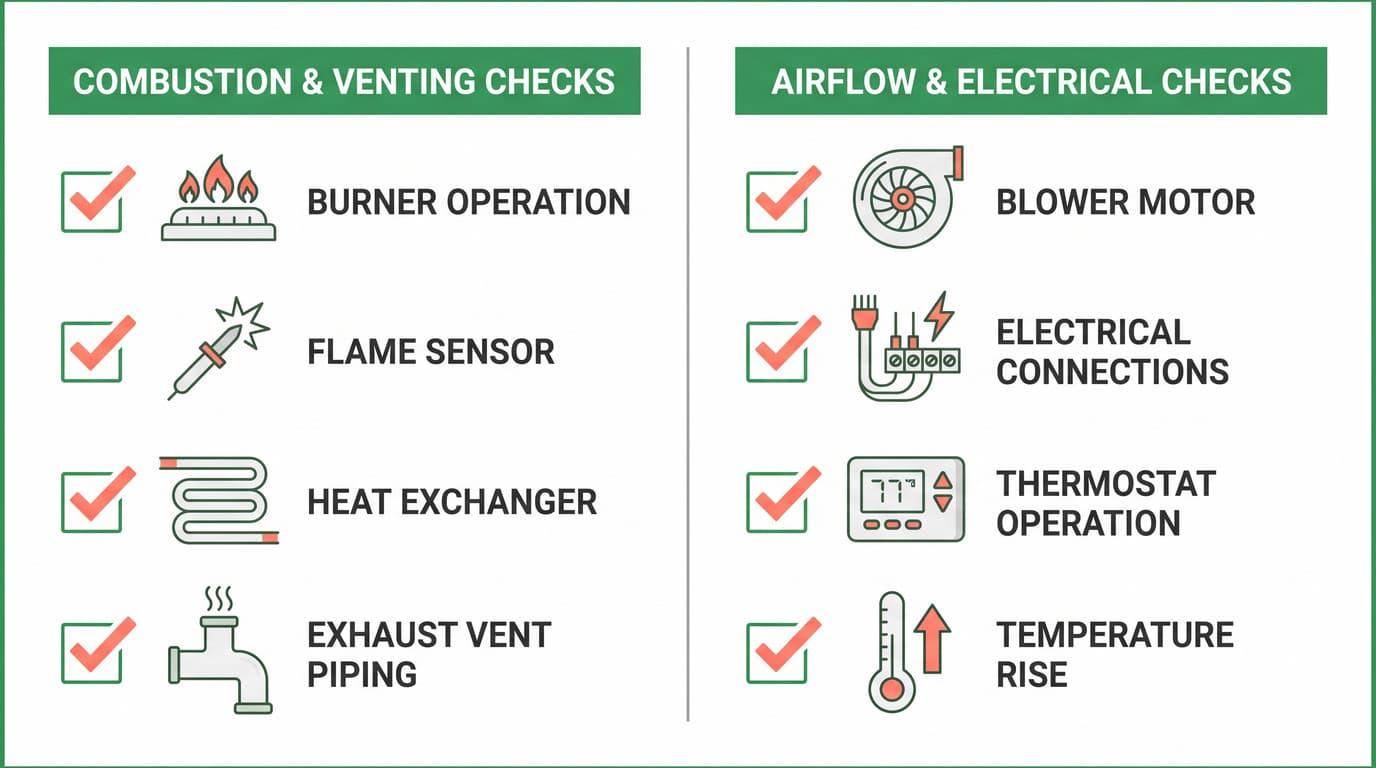
A furnace tune-up is preventive service, not just a filter change. The actual tasks depend on the model, fuel type, accessibility, and condition. When comparing HVAC contractors, ask for a furnace maintenance checklist that identifies both inspections and measurements, plus any cleaning included in the quoted price.
Combustion, Heat Exchanger, and Venting Checks
For gas furnaces, technicians may assess burner operation, ignition, the flame sensor, gas connections, and combustion performance using appropriate instruments, and maintenance may also include inspecting and cleaning burner ports for proper combustion. A heat exchanger inspection looks for accessible signs of corrosion, damage, and checks the heat exchanger for cracks and leaks during maintenance, though concerns may require further testing rather than a conclusion from appearance alone. A cracked heat exchanger can allow carbon monoxide and other flue gases to leak into the home and may require immediate furnace replacement.
The technician should also examine accessible exhaust vent piping and flue joints for corrosion, joint separation, blockage, or other defects that could interfere with venting. Combustion analysis, where applicable, helps evaluate how the equipment burns fuel; it is not a substitute for a full venting system inspection.
Airflow, Controls, and Electrical Checks
The service may include checking the furnace filter, blower motor and blower wheel, electrical connections, thermostat operation, and safety switches to confirm they cut off power during fault conditions, along with temperature rise across the furnace. Temperature rise means the difference between the air entering and leaving the heating equipment; a technician compares it with the manufacturer’s specified range. A dirty filter can trap debris, restrict airflow enough to make the furnace overheat and shut down, and increase strain on furnace components. On a high-efficiency condensing furnace, the condensate drain and pump may also need inspection.
SameDay’s Green Team can explain the inspection findings and which work belongs to routine maintenance versus a separately approved repair. Ask us which checks and cleaning tasks are included for your furnace model. For service, review our furnace tune-up and maintenance options before booking.
Why Annual Furnace Maintenance Matters Beyond Comfort
The biggest benefit is a professional check of conditions that can affect safe operation, and the safety checks performed during furnace service help prevent carbon monoxide risks. Carbon monoxide is colorless and odorless, so you cannot rely on smell to identify it. The CDC explains that malfunctioning or improperly vented fuel-burning appliances can expose occupants to this gas; a working carbon monoxide alarm and proper equipment inspection serve different purposes.
According to the CDC’s carbon monoxide prevention guidance, symptoms can include headache, dizziness, weakness, nausea, and confusion. If a carbon monoxide alarm sounds or you suspect exposure, get everyone outside and call emergency services. Do not stay indoors to investigate.
Regular maintenance also helps technicians find dirty burners, restricted airflow, worn parts, and control issues before they become bigger problems, and annual maintenance can help prevent costly repairs. That can support consistent heating, indoor air quality, and equipment life, but no credible tune-up can guarantee a specific number of added years or a fixed percentage of energy savings.
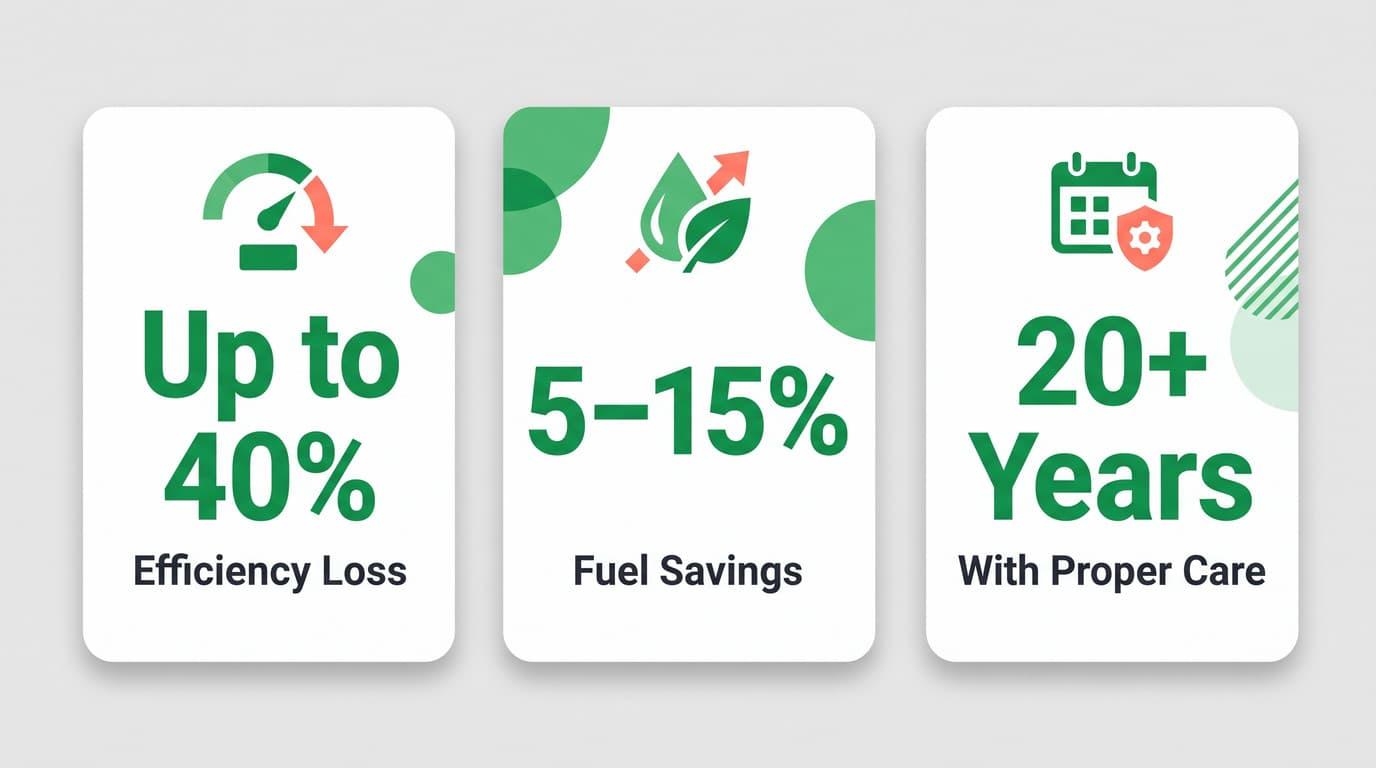
The Department of Energy’s furnace guidance explains how heating efficiency, heating system condition, and equipment choices affect operating costs. Skipping maintenance can reduce furnace efficiency by up to 40%, while proper maintenance may reduce fuel usage by 5–15%, though actual savings still vary. Maintenance supports performance, and some furnaces may last over 20 years with proper care, but insulation, duct leakage, thermostat settings, weather, and fuel rates also influence your bills.
What Can You Safely Maintain Between Professional Visits?
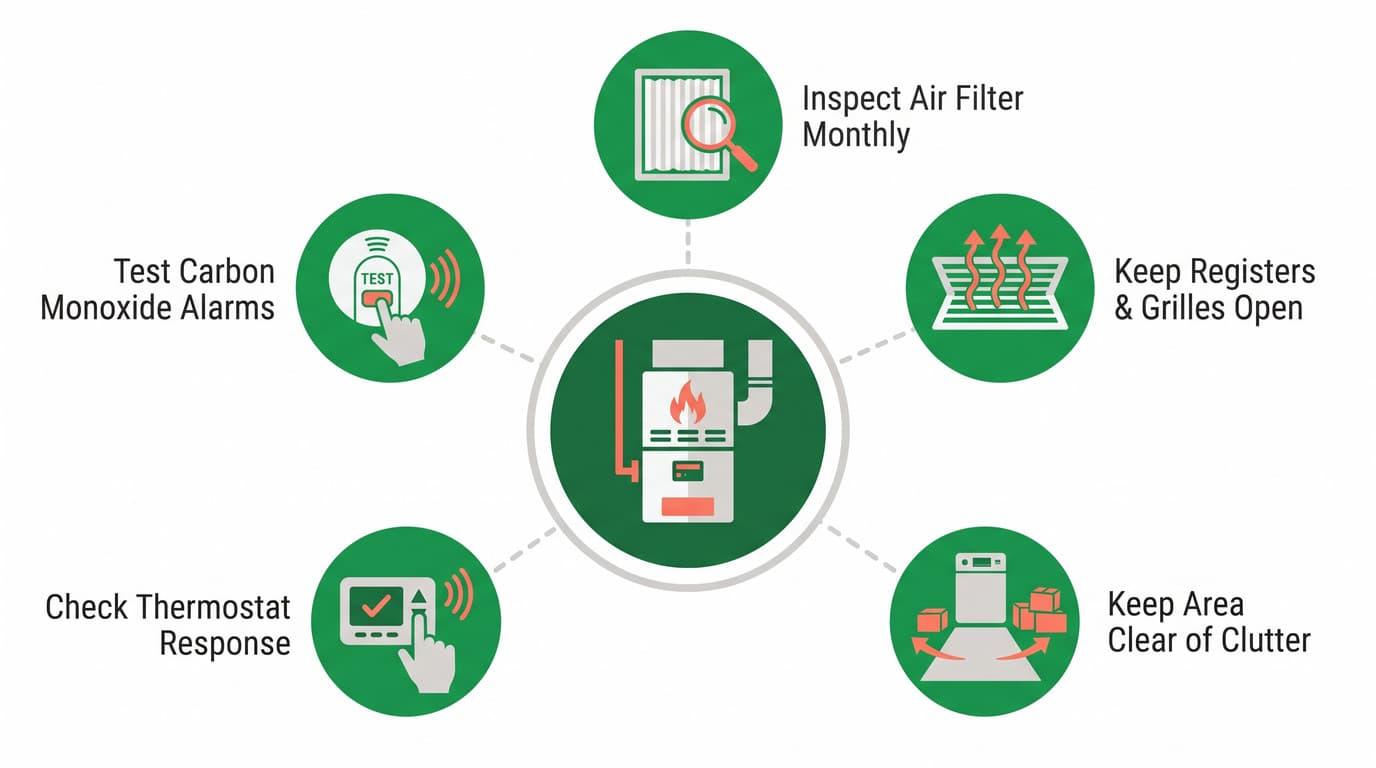
Your monthly habits help the system operate between appointments. These simple tasks are useful, but they don’t replace testing of gas, combustion, or electrical safety controls.
- Inspect the air filter monthly during the heating season; replace it or, if reusable, keep it cleaned regularly according to the manufacturer’s directions, often within one to three months depending on filter type and conditions, since buildup can restrict airflow and affect indoor air quality.
- Keep supply registers and return-air grilles open and free of furniture, rugs, and dust buildup.
- Keep the area around the furnace clear of clutter and combustible materials.
- Check that the thermostat responds normally, and note changes in airflow, cycling, room temperatures, or unusual noises that may signal a need for maintenance or diagnosis.
- Test carbon monoxide alarms as directed and save your maintenance receipts.
The ENERGY STAR HVAC maintenance checklist emphasizes filter checks and professional maintenance. A dirty filter can restrict airflow and make heating equipment work harder. Don’t remove furnace panels or adjust burners, the gas valve, or wiring yourself; leave those tasks to a professional technician.
When Is Furnace Maintenance Required Before Your Annual Visit?
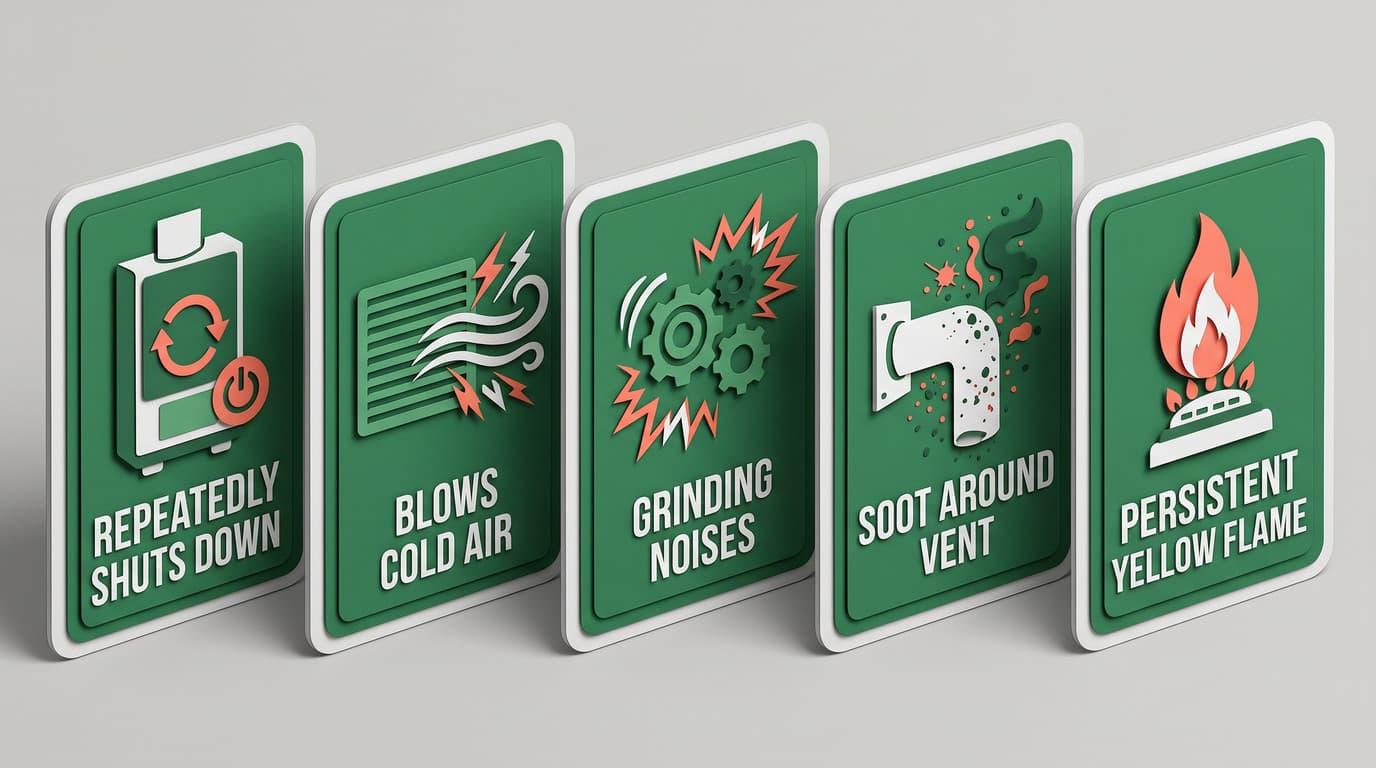
Some symptoms call for furnace repair rather than routine heating maintenance. A system that repeatedly shuts down, blows cold air, makes grinding noises, or shows soot around a vent needs diagnosis of an active problem. Even if the furnace turns on and produces heat, that is not a reason to skip service when these warning signs appear. Likewise, a persistent yellow burner flame may indicate incomplete combustion or other signs of a gas leak, but flame color alone cannot identify the cause.
If you smell rotten eggs, leave the building without operating electrical switches and call your gas utility or emergency responders from outside. If a carbon monoxide alarm sounds, evacuate and call 911. Carbon monoxide testing is a crucial part of furnace safety checks during professional service. These are safety emergencies, not reasons to wait for a maintenance appointment.
SameDay provides furnace repair and 24/7 emergency support for urgent heating problems. Tell our team what you noticed, when it started, and whether your home has lost heat; we can help determine the appropriate service request. You’ll receive repair pricing before approving the work.
How Much Does Furnace Maintenance Cost in Salt Lake City?
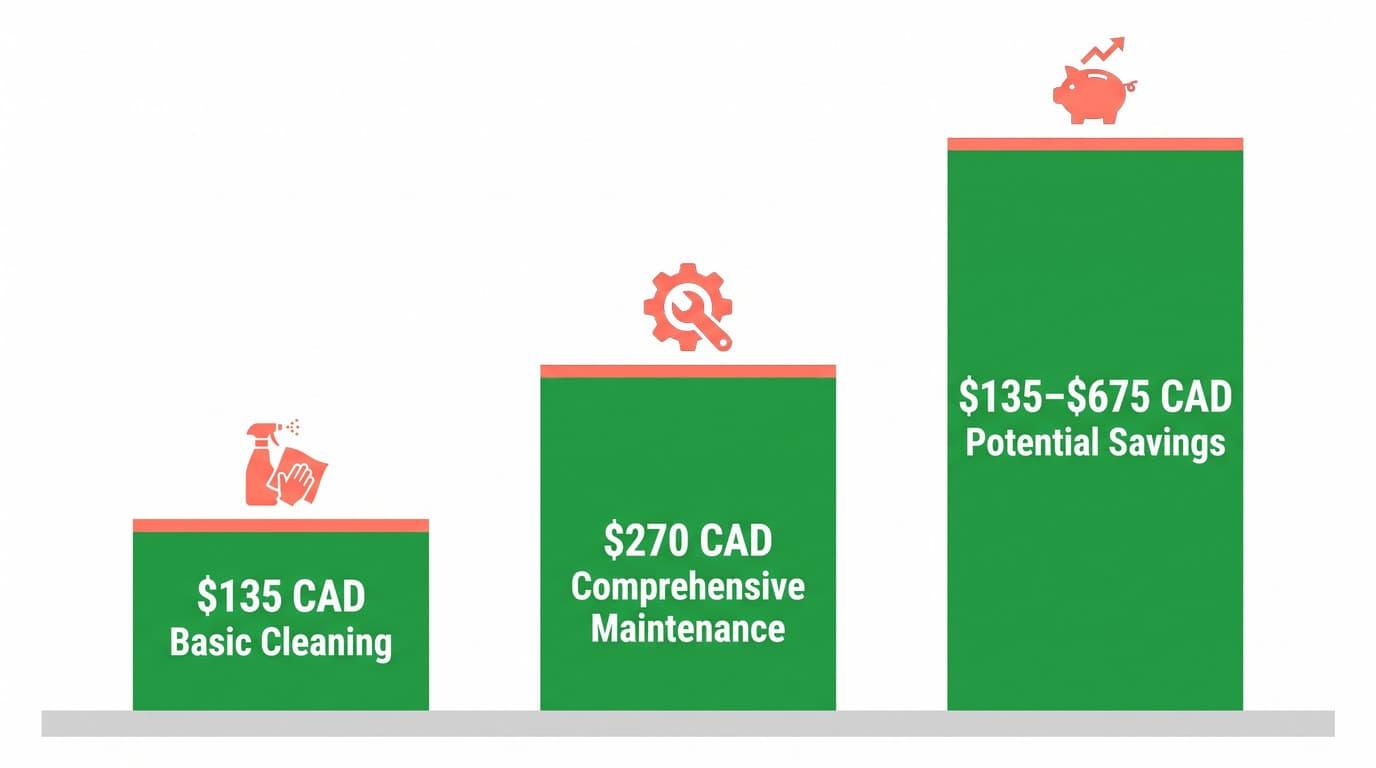
The answer to “how much does furnace maintenance cost?” depends on what the appointment actually includes. In many areas, furnace maintenance costs range from about $100 to $270 CAD, with totals varying based on local labor rates and service level. A basic promotional inspection, a complete tune up with cleaning and measurements, and a diagnostic visit for a malfunctioning furnace are not necessarily the same service, and basic furnace cleaning packages often start around $135 CAD while more comprehensive maintenance packages average closer to $270 CAD. Ask for a current quote that lists the included tasks, any separate diagnostic charge, and exclusions before you book.
Before booking, ask these questions so you can compare the same scope across estimates:
- Does the price include a safety inspection, filter assessment, burner and blower checks, and written findings?
- Are combustion analysis, cleaning, and thermostat testing included where applicable?
- Is there a separate diagnostic fee if the furnace is already malfunctioning?
- Will you receive an estimate before any replacement part or additional repair?
- Are maintenance-plan visits, service discounts, or seasonal offers available?
Annual maintenance can save roughly $135–$675 CAD compared with emergency repairs.
A low advertised tune-up price may cover fewer tasks than a comprehensive furnace maintenance service. Ask for the total appointment charge and any exclusions before deciding.
How SameDay’s Green Shield Membership Keeps Maintenance on Schedule
It’s easy to overlook annual maintenance when your furnace seems fine. SameDay’s Green Shield Membership includes annual system tune-ups, priority service, and exclusive member discounts. These benefits help you stay ahead of maintenance before the seasonal rush.
Members also benefit from no dispatch fees and additional warranty coverage, subject to plan terms.
Explore My Green Shield Benefits
Keep Your Salt Lake City Furnace Ready for the Heating Season
The practical answer to how often you need furnace maintenance is once a year, with a monthly filter check during heavy use and earlier service if symptoms appear. Booking before the Wasatch Front’s first sustained cold weather gives you time to address findings without rushing during a no-heat emergency.
For a clearer picture of your furnace’s condition, our Green Team helps Salt Lake City homeowners move from “I should schedule that” to a documented furnace inspection and a clear explanation of any recommended work. If your system is running normally, ask us about annual maintenance or Green Shield Membership. If it has already stopped heating, tell us so we can discuss repair instead.
Schedule My Furnace Maintenance
Furnace Maintenance FAQs
These common questions cover the details homeowners often need before scheduling a visit or deciding what to do next.
How long does a furnace maintenance appointment take?
A typical residential appointment may take about one to two hours, but that is only a planning estimate. Equipment access, testing, cleaning, and unexpected findings can change the duration. Ask for a time window when you book.
Does a brand-new furnace still need maintenance?
Yes. New equipment still needs maintenance per the manufacturer’s instructions. Keep service records from the first year, especially if the warranty requires inspections or documentation.
Will annual maintenance keep my furnace warranty valid?
Not automatically. Some manufacturers require maintenance records, but coverage depends on the actual written terms and the cause of a failure. Save invoices and review your model’s warranty. SameDay’s warranty information explains our service-related coverage separately from the furnace manufacturer’s warranty.
Can a tune-up fix a furnace that is short cycling?
A technician may discover a maintenance-related cause, such as restricted airflow, but short cycling can also signal a control, ignition, sizing, or safety issue. Report the symptom when booking so we can schedule the right type of service.
Should I replace a furnace that is 20 years old?
Not based on age alone. Ask a qualified technician to consider safety findings, reliability, repair history, parts availability, and the cost of repairs versus replacement. Annual maintenance can document its condition but cannot guarantee more years of use.