A furnace green sticker means a licensed, qualified heating contractor checked and, when needed, adjusted your natural gas furnace or water heater for Utah’s elevation and local gas supply. But what does that sticker actually mean for your home?
Utah’s elevation affects how a burner operates, so checking its settings is an important part of ensuring your appliance burns fuel properly. However, a green sticker isn’t the same as building-inspection approval, and it doesn’t guarantee your furnace will remain safe forever.
As you prepare for the 2026 heating season, here’s what the furnace green sticker means, what it doesn’t cover, and what steps you can take to keep your home safe and comfortable.
Key Takeaways
- A green sticker documents an altitude-related burner check. It doesn’t certify every part of your furnace.
- An old label doesn’t describe today’s condition. Equipment damage and venting problems can develop afterward.
- A missing sticker doesn’t automatically mean replacement. Have a qualified contractor check the appliance’s setup.
- A red tag needs prompt attention. Follow the written notice, and don’t restart equipment shut down for safety reasons.
- Annual service and working CO alarms still matter, whether your furnace has a sticker or not.
What Your Utah Furnace Green Sticker Actually Confirms
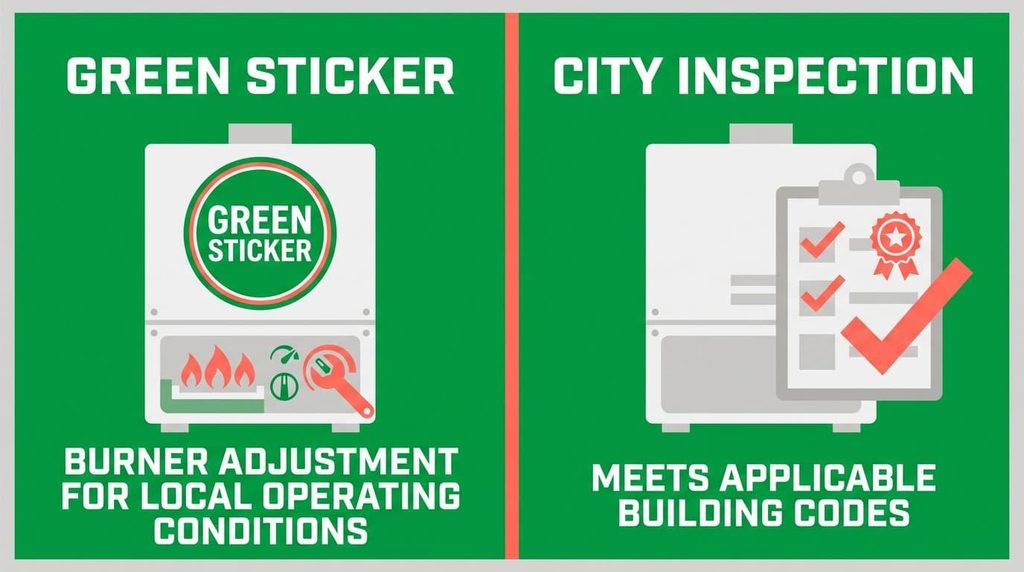
According to Enbridge’s Green Sticker Guide, the sticker confirms that a licensed, qualified contractor checked and properly adjusted the appliance to operate at your altitude.
But why does Utah need this extra check?
Utah’s elevation and local natural gas supply affect how a burner operates. A furnace configured for different conditions may need adjustments to burn fuel properly here. The check can involve the burner orifice, manifold pressure, and flue-gas carbon monoxide readings.
What the Green Sticker Covers
The program applies to natural gas space-heating and water-heating appliances. A green sticker documents the altitude-related burner check and adjustment; it doesn’t certify the condition of every furnace component.
How It Differs From a City Inspection
A city inspection and a furnace green sticker serve different purposes.
- A city inspection checks whether the inspected installation meets applicable building codes.
- A green sticker documents the appliance’s burner adjustment for local operating conditions.
You may find both labels on the same appliance, but one doesn’t replace the other.
Does a Sticker From Another State Count?
Don’t assume an out-of-state label confirms that your furnace is correctly adjusted for your Utah home. Have a qualified local contractor review its setup, especially if you’ve relocated the equipment.
What Your Green Sticker Doesn’t Guarantee
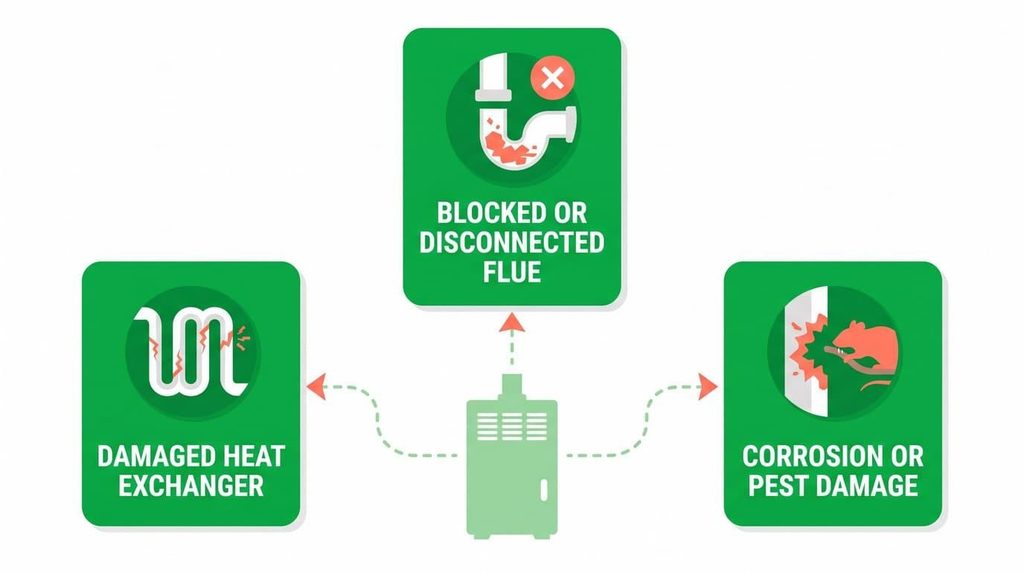
A green sticker on your furnace can offer some peace of mind, but it doesn’t tell you everything about your heating system. Your furnace’s condition can change over time, even if it passed its original check.
Everyday wear and tear can affect how your furnace operates. For example, you might encounter:
- A damaged heat exchanger that needs professional evaluation.
- A blocked or disconnected flue that prevents exhaust gases from venting properly.
- Corrosion or pest damage that affects furnace components.
These problems can develop long after the sticker was issued. That’s why you shouldn’t rely on an old label alone when deciding whether your heating system is safe to use.
The EPA identifies poorly maintained combustion equipment and venting problems as potential indoor sources of carbon monoxide. A furnace that starts and produces heat can still need attention.
What If Your Furnace Has No Green Sticker?
If you’ve moved into a home and can’t find a green sticker, don’t assume the worst. A missing label doesn’t automatically mean your furnace is unsafe or needs replacing.
Arrange a check with a licensed, qualified heating contractor. They can assess the appliance’s setup, make any necessary adjustments, and document the work.
How to Check Your Furnace’s Current Condition
Instead of guessing based on a sticker, schedule an inspection with a qualified heating professional. They can assess the furnace’s current condition, check its components, and identify problems that may need repair.
An annual furnace inspection from SameDay Heating & Air lets you address developing issues before they become bigger headaches during Utah’s cold winter months. Our Green Team checks key components, system operation, carbon monoxide, and visible venting conditions as part of our furnace maintenance service. We’ll walk you through any concerns and explain your options so you can make informed decisions to keep your home warm and comfortable. When booking, let us know if you also need the green-sticker adjustment checked so we can confirm the appropriate service scope.
Schedule Your Furnace Inspection
What Happens During a Furnace Safety Inspection?
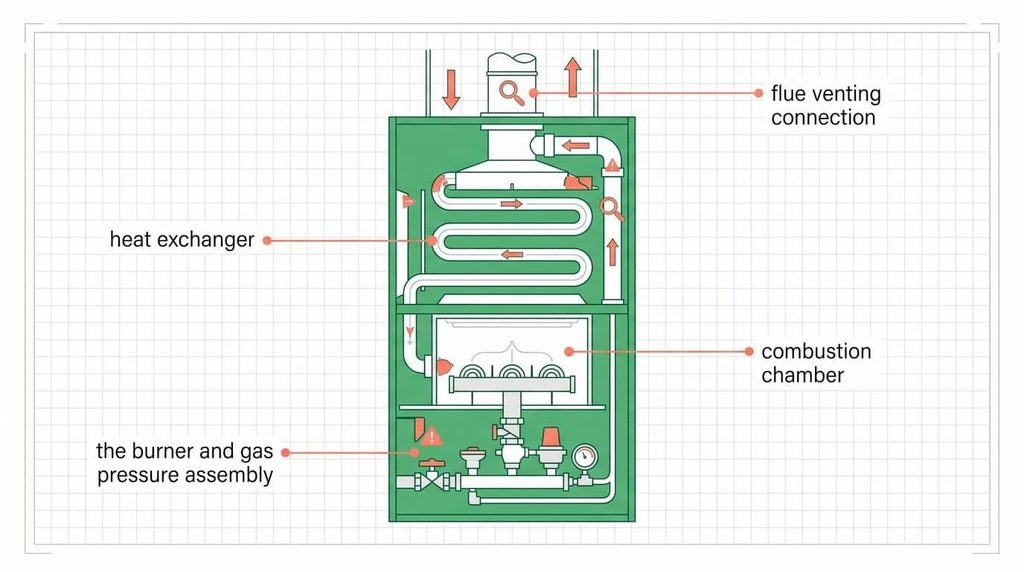
A furnace safety inspection helps you understand how well your heating system is operating and whether it needs any attention. The exact scope depends on your equipment and service package, so confirm what’s included before the visit.
Here are the main areas to ask about.
Burner Settings and Gas Pressure
The technician evaluates the burner setup and gas pressure as appropriate for the equipment and inspection scope. Incorrect settings can affect combustion, so leave these adjustments to a qualified professional.
Combustion and Exhaust Gases
Using specialized equipment, the technician can assess combustion and carbon monoxide readings. These measurements help identify problems that aren’t obvious from a visual inspection.
Flue and Venting System
The technician checks accessible flue connections and looks for conditions that could interfere with exhaust removal. Serious venting problems or inadequate ventilation can lead to a red tag if the technician can’t safely remove exhaust. If combustion gases cannot leave your home properly, the furnace may need attention even if it starts and heats normally.
Signs of Wear or Damage (Including Cracked Heat Exchanger)
The inspection can also identify visible damage, corrosion, or other issues that affect the furnace’s operation, including a cracked heat exchanger, gas leaks, or problems from how the unit was installed. Depending on the service scope, a professional technician may inspect the entire furnace, including accessible vents and the heat exchanger, and HVAC technicians may look for signs of leaks, cracks, and other safety hazards when concerns are present.
If the technician finds a problem, they should explain their findings and recommend next steps before starting any additional repair work. These issues can lead to carbon monoxide leaks or fire hazards and should be evaluated by a licensed HVAC professional or technician.
In some cases, furnace replacement may make more sense, and a licensed HVAC assessment can help decide whether necessary repairs are enough or whether to replace the unit; that often makes sense when the system is about 15–20 years old or repair costs exceed roughly half the replacement price, since a new furnace can be safer and more efficient.
Why Regular Inspections Are Worth It
Your furnace’s condition can change over time, even when it appears to be working normally. Scheduling an annual inspection helps you understand its condition before Utah’s cold winter weather puts your heating system to the test.
- Catch developing problems: Worn components or operating issues may be identified before they interrupt your heat.
- Get answers about changes: New noises, repeated shutdowns, or uneven heating give your technician specific concerns to investigate.
- Make decisions without rushing: If work is needed, you can discuss the options before a cold house makes everything feel urgent.
Keep in mind that a furnace safety inspection, a seasonal tune-up, and the green-sticker adjustment check have different scopes, although some work may overlap. One appointment doesn’t automatically cover all three, so ask what your visit includes.
Five Furnace Safety Tips for Utah Homeowners
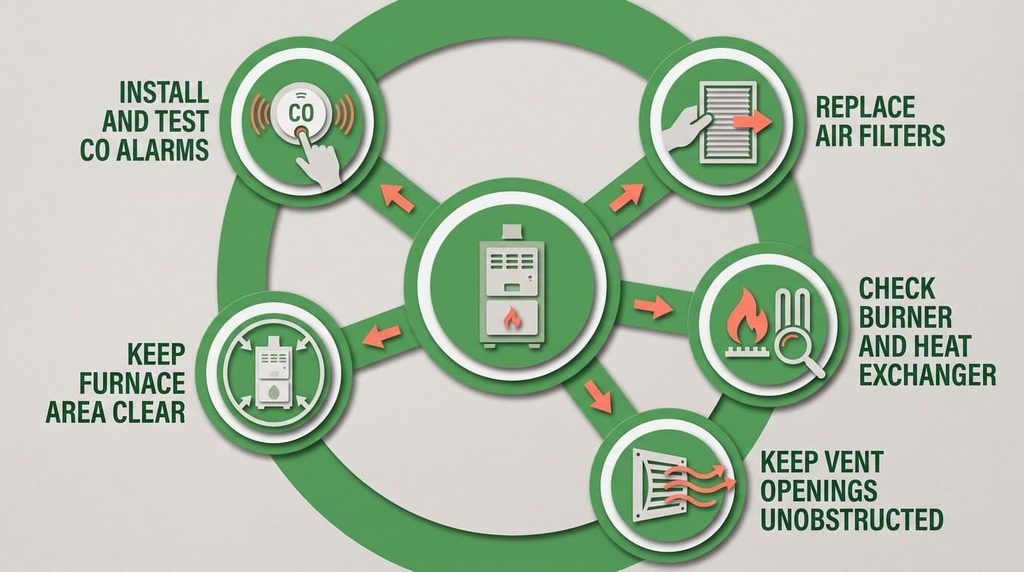
A few simple habits can support the work done during your professional inspection:
- Replace air filters as directed. Follow your furnace and filter manufacturer’s recommendations so restricted airflow doesn’t put unnecessary strain on the system.
- Have a professional check the burner and heat exchanger. Leave internal inspections, gas adjustments, and safety-control testing to a qualified technician.
- Keep vent openings unobstructed. Check accessible outdoor openings for snow, leaves, and debris without dismantling the venting.
- Keep the furnace area clear. Move storage and combustible materials away from the unit, and keep access clear for service.
- Install and test carbon monoxide alarms. Follow the manufacturer’s instructions for placement, testing, and replacement. CO alarms detect carbon monoxide; they do not replace natural gas detectors.
Furnace Green Sticker vs. Tune-Ups, ENERGY STAR, and Blink Codes
When you check your furnace, you might see a green sticker, an ENERGY STAR label, or flashing lights on the control board. You may also have a recent furnace tune-up on record.
Although these can all tell you something about your heating system, each serves a different purpose.
| Label or signal | What it tells you | Who provides it |
| Green sticker | Documents the burner adjustment check for altitude and local gas conditions | A licensed, qualified heating contractor |
| Furnace tune-up | The system received maintenance and operating checks within the service scope | An HVAC service provider |
| ENERGY STAR label | The furnace model meets applicable energy-efficiency criteria | Certification through the ENERGY STAR program |
| Furnace blink codes | The controls are reporting a model-specific operating condition or fault | The furnace’s control system |
Does a Tune-Up Replace a Green Sticker Check?
Not automatically. A tune-up helps keep your system running well, but you should confirm whether the appointment includes an altitude-related burner adjustment check. Review your service records or ask your HVAC provider.
What Does the ENERGY STAR Label Mean?
The ENERGY STAR label highlights energy efficiency and helps you identify qualifying products that meet established criteria. It doesn’t tell you whether your furnace has developed a fault or received its green-sticker check.
What If Your Furnace Lights Are Blinking?
Flashing lights can indicate anything from normal operation to a fault that needs professional attention. Check your furnace’s owner’s manual for what its specific blink code means, or contact a technician if you’re unsure.
Use the viewing window where available. Don’t bypass safety switches or remove panels to watch the furnace operate.
How to Get Your Furnace Cleared After a Red Tag
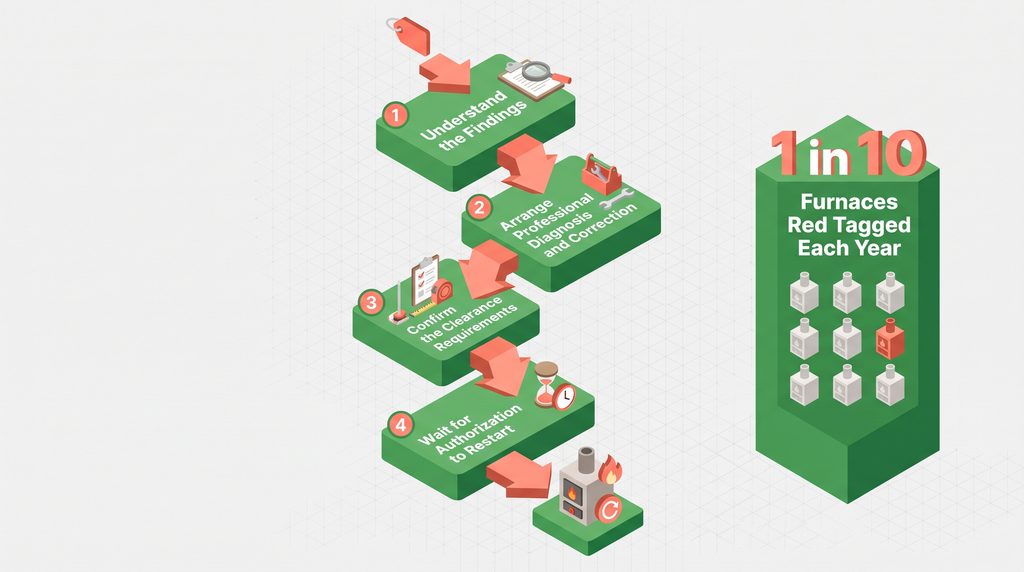
A furnace red tag or written unsafe-equipment notice means the gas appliance has been identified as unsafe to operate and needs attention. Depending on the findings, the appliance may be shut down because it is unsafe to operate.
Read the notice carefully. It should explain the concern and any operating restrictions. Follow the instructions from the issuing contractor, utility, or authority, rather than assuming an online deadline or tag classification applies to your Utah home.
Type A tags indicate immediate danger and often require shutting off the gas supply, while a Type B red tag points to a serious safety issue that should be addressed within about 30–45 days.
Getting your furnace back up and running involves a few steps:
- Understand the findings. Ask what was found and request supporting test results or photos where available.
- Arrange professional diagnosis and correction. Contact a licensed HVAC technician for inspection, and stop using the furnace immediately until the issue is addressed.
- Confirm the clearance requirements. Find out who must verify the correction and whether a follow-up inspection or documentation is needed.
- Wait for authorization to restart. If the utility shut off gas service, follow its restoration instructions.
Never try to restart a furnace that has been shut down as unsafe. Don’t relight the appliance, reconnect the gas supply, or bypass safety measures while the condition remains unresolved.
Before approving any work, ask your contractor to explain the problem, the recommended fix, and the expected cost. A second opinion is reasonable if repair versus replacement is a big decision, but the furnace must stay off if it was red-tagged as unsafe.
SameDay Heating & Air’s Green Team can evaluate the reported problem and explain your furnace repair options. We provide flat-rate pricing so you can review the proposed work before approving the job. If the utility or another authority shut down the equipment, ask us to help clarify which clearance steps still need to happen. Red tags are not rare—about 1 in 10 furnaces are red tagged each year—so prompt, professional follow-up matters.
Carbon Monoxide Warning Signs Every Utah Homeowner Should Know
Carbon monoxide, or CO, is an odorless, colorless gas that can be dangerous when it builds up inside your home. Exposure can cause headaches, dizziness, weakness, nausea, chest pain, and confusion.
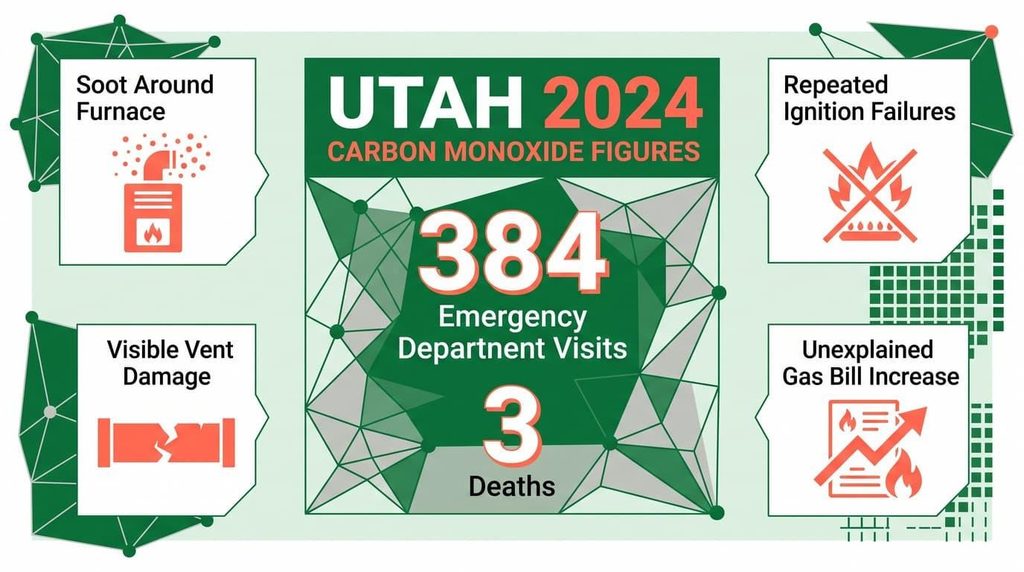
This concern is close to home. University of Utah Health reported 384 emergency department visits and three deaths from CO poisoning in Utah in 2024. Those figures include multiple exposure sources, not furnaces alone, but they show why working alarms and proper appliance care matter as temperatures fall.
If your CO alarm sounds, get everyone outside into fresh air immediately. Call 911 from outside, and don’t return until emergency responders confirm it’s safe. Don’t remain indoors to check the furnace or look for a sticker.
If you smell natural gas, leave without operating switches or creating flames. From a safe location, contact emergency services or your gas utility.
Warning Signs Your Furnace Needs Attention
Keep an eye out for changes such as:
- Soot around the furnace or burner compartment.
- Repeated ignition failures or unexpected shutdowns.
- Frequent cycling on and off.
- New banging, rattling, or squealing.
- Visible damage to vent connections.
- An unexplained increase in your gas bill.
These symptoms don’t automatically mean carbon monoxide is present. Still, they can indicate a problem that needs professional attention. Tell your technician what changed and when you first noticed it.
Don’t Rely on Your Green Sticker Alone
A furnace green sticker shows your appliance passed its required burner check on a specific date, but it doesn’t tell you how well your system is running today. Whether your furnace has a sticker or not, regular inspections can help you identify potential problems and prepare for Utah’s cold winters.
SameDay Heating & Air has been serving Wasatch Front homeowners since 1957, bringing local experience and dependable service to every job. Our Green Team furnace technicians explain their findings clearly, so you can understand your options before approving any work. We help make furnace care straightforward and stress-free.
Don’t wait for a heating problem to catch you off guard. Let SameDay help you keep your furnace running safely and your home comfortable through the winter. We’re ready to answer your questions and help you choose the right service for your home.
Get Your Furnace Checked Today
Frequently Asked Questions About Utah Furnace Green Stickers
Does the program cover gas water heaters?
Yes, the same utility program applies to qualifying gas water heaters and furnaces, since both appliances need burner settings matched to Utah’s elevation and gas supply.
Who pays for the inspection or repair?
Responsibility depends on the service requested, the home’s sale terms, warranty coverage, and the utility’s own arrangements, so confirm the cost before approving any work.
Does an out-of-state sticker count in Utah?
No, another utility’s label doesn’t replace Utah’s local inspection, because there’s no national green-sticker standard that carries across state lines.
Does a missing sticker mean replacement is needed?
No, replacement depends on the furnace’s condition, repair needs, and remaining service life, not on whether it has a sticker. A licensed inspection gives you the information needed to decide, rather than guesswork based on a missing label.
Can I install a new furnace without getting a green sticker?
If you’re installing a new gas furnace, ask Enbridge Gas or your HVAC contractor about green sticker requirements for new furnace installations and when the burner check should be completed.
How often should a furnace green sticker be renewed?
Contact Enbridge Gas to confirm whether your furnace needs another utility check, and schedule regular maintenance to monitor its condition.